
Making It Easy and Meaningful for People to Volunteer for Nature
In this project we explore opportunities and concerns of designing a nation-wide and/or statewide environmental volunteer platforms
” Traditional data sources are not sufficient for measuring the SDGs. New and non-traditional sources of data are required. ”
Steffen Fritz and colleagues
Background
Volunteers are important to biodiversity monitoring and conservation, and the number of people willing to contribute their free time working to protect nature in Australia is already high. For example, there were an estimated 100,000 Victorians volunteering for nature, according to the Department of Environment, Land, Water and Planning. Even so, increasing the number and diversity of community members participating in environmental monitoring and conservation is key for addressing pressing issues such as pollution, climate change, biodiversity loss and environmental justice.
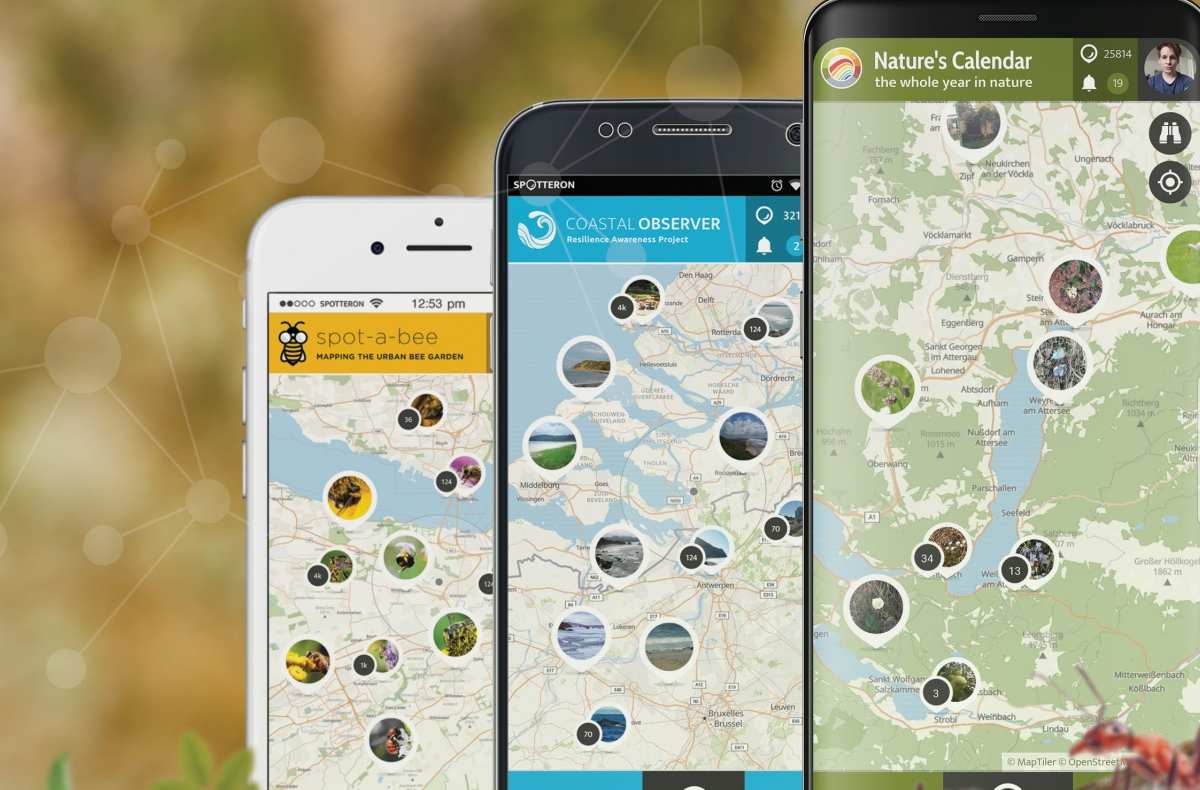
Digital technologies present an opportunity to increase participation in environmental monitoring, in programs that are often called “citizen science” (CS). Some of the promises of digital technologies in citizen science are that they can increase the number of participants (because of the ease of participation) and the quantity of data collected, as well as improve data quality. In Australia, biodiversity monitoring and conservation programs use different digital technologies -such as smartphone apps and online platforms- for communication with volunteers, data capture and data analysis. However, a number of strategic citizen science documents developed recently in New South Wales, Queensland and Victoria, as well the “Australia Strategy for Nature 2019-2030”, highlight a number of needs that could be covered with state wide or nation-wide environmental volunteer platform.
Our story
Challenge
Different strategic citizen science documents in Australia have highlighted common needs. The need for:
(1) a single portal that list all citizen science programs to encourage people to find the best option for them and sign up as a volunteer;
(2) transparency of project outcomes and impact; and
(3) open access to data generated through these programs.
In this project challenge we analyse existing cases of nation-wide platforms for citizen science and environmental volunteers; and
given the needs identified, we aim to fin ways to improve the design of citizen science platforms in Australia.
Related Members and Collaborators

Debbie Gonzalez Canada